
Storm-Season Tree Checklist for Lake Norman Homeowners
Lake Norman weather delivers microburst thunderstorm lines in summer and freezing rain in winter. Inspect these 7 critical failure points to protect your home before the storm hits.
The Unique Storm Physics of the Lake Norman Basin
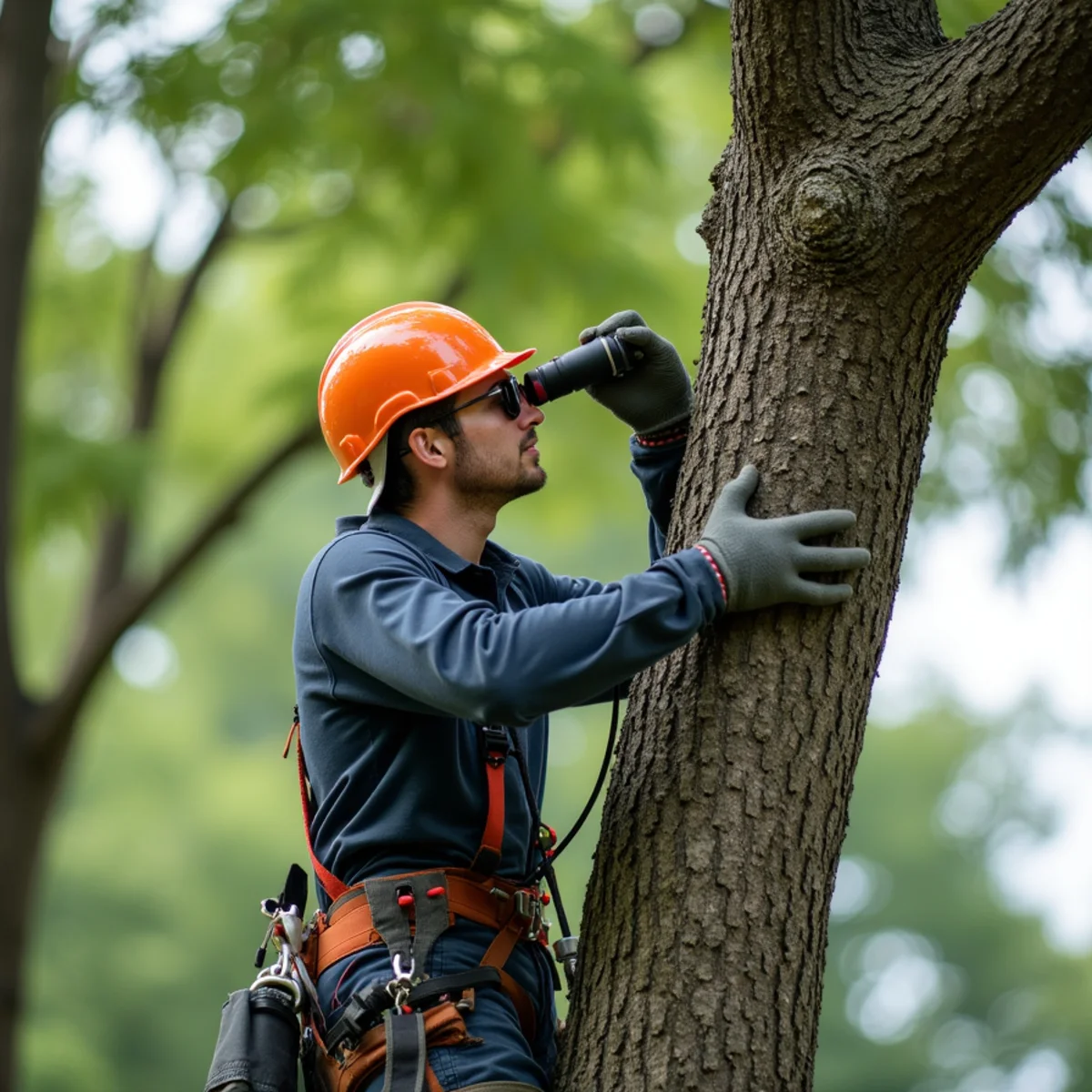
Living along Lake Norman offers breathtaking water views and mature tree canopies, but our regional meteorology exposes trees to violent meteorological extremes. From June through August, thunderstorm microbursts accelerate across the open water, slamming lakefront shorelines with localized gusts exceeding 60 to 75 mph.
In winter, the Piedmont frequently sits directly in the crosshairs of freezing rain corridors, coating hardwood canopies in thousands of pounds of glaze ice. When saturated red clay soils soften root anchors, structural tree defects that went unnoticed during calm weather result in catastrophic property damage. Conducting a pre-storm arborist inspection protects your home, vehicles, and boat docks.
The 7-Point Pre-Storm Inspection Protocol
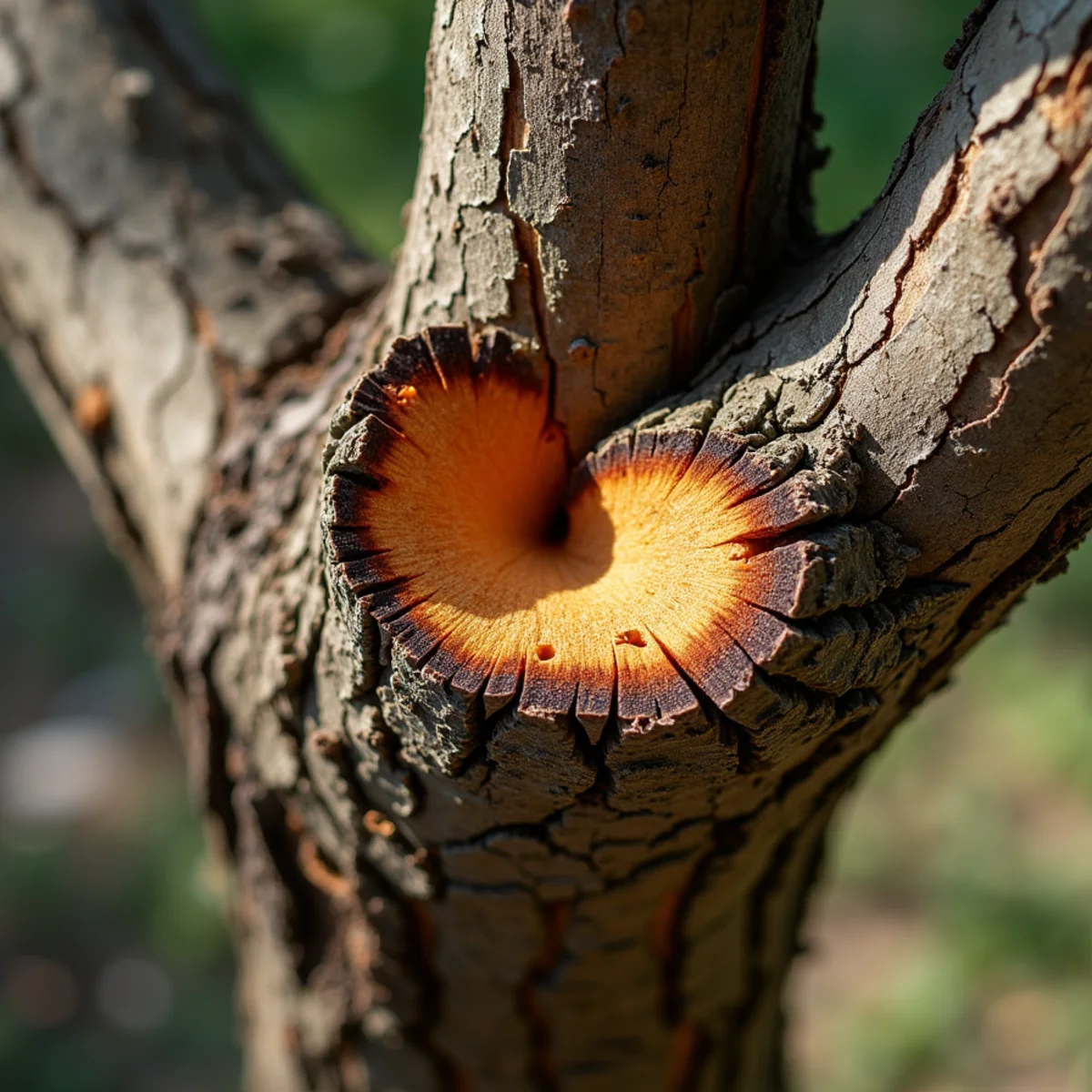
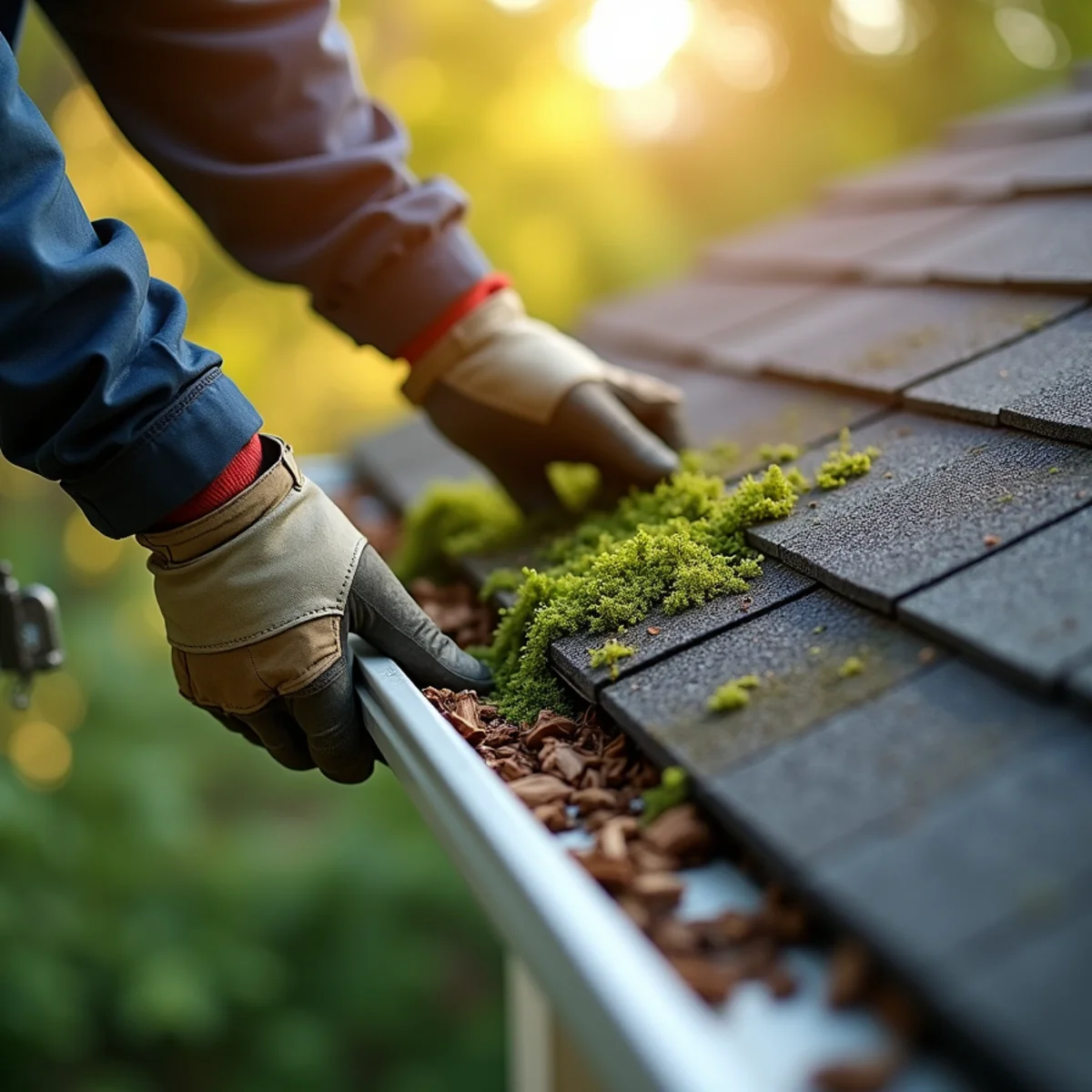
Walk your property with this 7-point checklist to identify hidden failure risks before severe weather arrives: 1. Co-Dominant V-Crotches: Examine where multi-stem trunks divide. Narrow, V-shaped unions with pinched bark lack structural strength and split readily under lateral wind forces. Broad, U-shaped unions with visible branch bark ridges are structurally sound. 2. Canopy Deadwood and Hangers: Scan the upper crown with binoculars for dead, leafless branches exceeding 2 inches in diameter. Broken branches caught in the canopy ('hangers' or 'widowmakers') will dislodge during the first high wind event. 3. Root Flare Decay Conks: Inspect the base of the trunk where it flares into the soil. Woody bracket fungi (Ganoderma), clusters of honey mushrooms (Armillaria), or decayed hollow cavities indicate advanced structural rot in primary anchor roots. 4. Roof and Gutter Encroachment: Check whether branches overhang your roofline. Heavy branches swaying in 50 mph winds can smash roof tiles, crush aluminum gutters, or punch through attic rafters. 5. Soil Mounds and Tension Fissures: Check the windward side of leaning trees for freshly cracked red clay or raised turf mounds signaling root plate slippage. 6. Pine Needle Density and Beetle Frass: Look for thinning canopy needles, yellowing foliage, and resin pitch tubes indicating southern pine bark beetle infestations. 7. Boat Dock and Slip Hazards: Inspect heavy limbs overhanging private boat lifts, slips, and dock walkways where falling wood can crush expensive watercraft.
Questions About Your Trees?
Speak directly with our local tree team. No automated robots.
Crown Thinning vs. Destructive Topping: The Science of Wind Dynamics
Many well-meaning homeowners ask tree services to 'top' their trees to reduce height before hurricane season. Certified arborists vehemently condemn tree topping. Topping removes 50% to 100% of the leaf-bearing crown, shocking the tree's physiology and creating large, open trunk wounds that rot rapidly.
Furthermore, the flush of rapid regrowth consists of weak, brittle epicormic shoots attached only to the outer bark. Within 3 to 5 years, these weakly anchored limbs become far more hazardous than the original canopy.
The scientifically sound method is ANSI A300 Crown Thinning. By selectively pruning up to 20% to 25% of interior branches, arborists reduce canopy density and wind resistance while preserving the tree's natural shape, structural framework, and root-feeding foliage.

Root Stabilization: Managing Waterlogged Cecil Red Clay
Soil saturation is the silent partner in almost every major uprooting event in Iredell and Mecklenburg counties. When repetitive storm systems saturate the upper 18 inches of Cecil red clay, soil cohesion drops to near zero. A mature oak or pine with a full canopy acts like a massive sail mounted on an unstable, muddy pivot.
Ensure downspouts and landscape drainage lines discharge at least 15 to 20 feet away from the root flares of mature trees. Directing roof runoff directly into a tree's root zone keeps soil perpetually waterlogged, promoting fungal root rot and dramatically increasing the risk of whole-tree windthrow.
Schedule a Professional Pre-Storm Tree Assessment
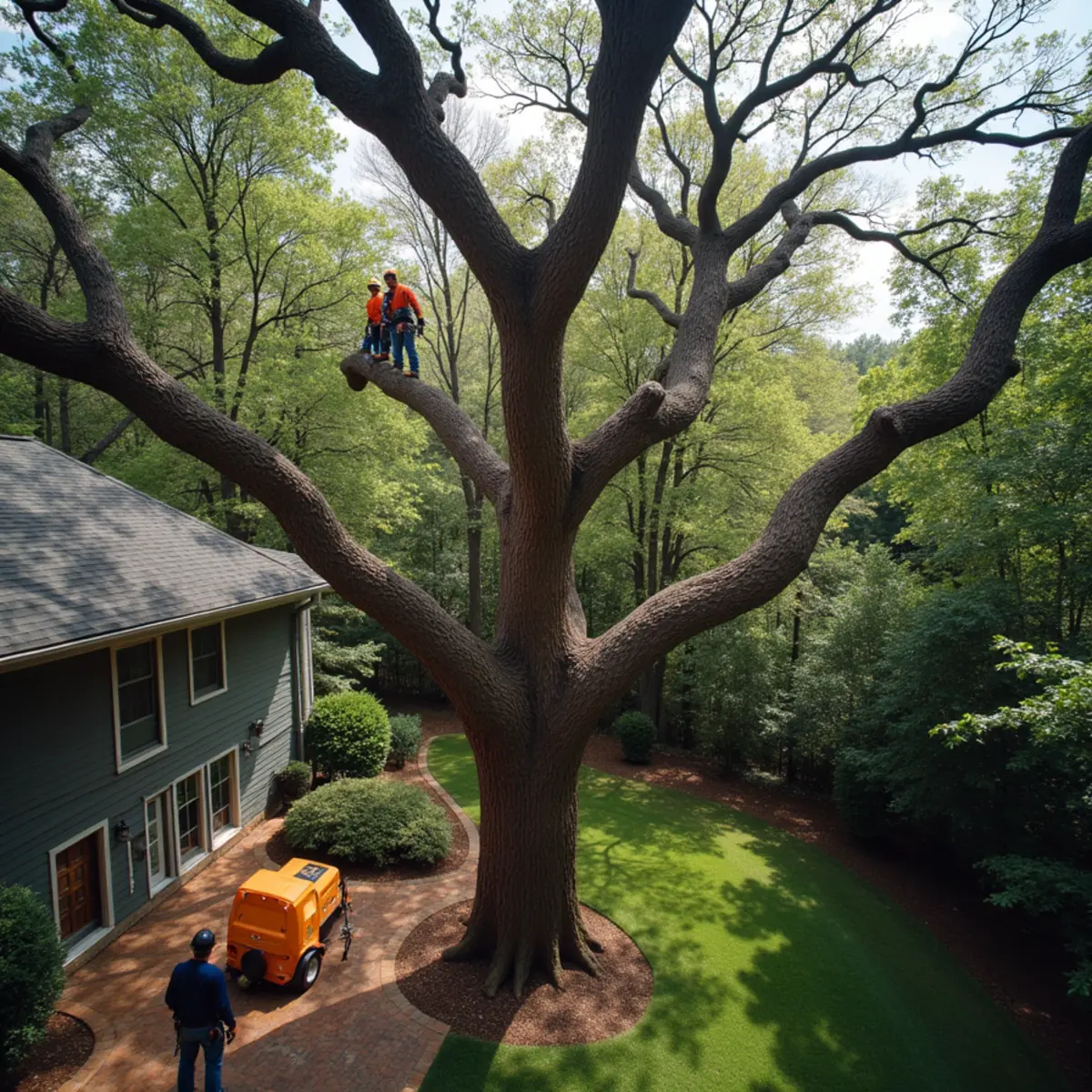
Visual homeowner inspections are an excellent first step, but identifying internal heartwood rot, subtle trunk cracks, and high-canopy defects requires professional training and diagnostic equipment. Race City Tree Crew provides comprehensive pre-storm tree hazard assessments throughout Mooresville, Cornelius, Davidson, and Huntersville. Call (321) 478-0689 to safeguard your property before the next squall line hits.
Frequently Asked Questions
Can professional tree pruning really prevent storm damage?
Yes. Removing brittle deadwood and performing ANSI A300 crown thinning significantly reduces the aerodynamic 'wind sail' effect of the canopy. Allowing high-velocity storm winds to filter through the crown rather than catching it like a solid sail dramatically lowers rotational torque on trunk unions and root plates.
Why does tree topping make trees more dangerous during storms?
Tree topping ('hat-racking') decapitates major limbs, leaving large, flat wounds that cannot compartmentalize decay. In response, the tree produces fast-growing, weakly attached water sprouts from shallow cambium layers. In subsequent storms, these brittle, poorly anchored limbs snap off under modest wind loads.
How far away should tree limbs be trimmed from my roof and chimney?
Arborists recommend maintaining a minimum clearance envelope of 8 to 10 feet between overhanging branch tips and your roof planes, gutters, and chimney masonry. This prevents wind-whipped branches from scraping shingle granules, puncturing metal valleys, or providing rodent bridges into attic vents.
What is an 'included bark' union, and why is it dangerous?
Included bark occurs when two co-dominant stems grow so closely together in a narrow 'V' shape that bark is pinched between them rather than fusing into solid wood. Without connecting wood fibers, the stems act like two wedges pressing against each other, frequently splitting down the middle under heavy wind or ice loads.
When is the best time of year to prepare Lake Norman trees for storms?
Late winter through early spring (January through April) is the ideal window for structural pruning before spring thunderstorms arrive. However, deadwood removal and hazard abatement should be performed immediately upon discovery, regardless of the season.
Related Tree Services & Local Coverage:
Need Tree Service in Mooresville or Lake Norman?
Our local crews are ready 24/7. Get a transparent written price before any work begins.
Click to call instantly • 24 hours a day
Not Urgent? Send a Request
For the fastest help, call (321) 478-0689. Otherwise, send details below and we will contact you.