A Tree Fell but Hit Nothing: What North Carolina Home Insurance Does and Does Not Pay For
Many homeowners are shocked to discover that when a 90-foot oak falls cleanly on their lawn without hitting a structure, their insurance carrier may pay nothing for cleanup. Here is how NC claims work.
The Crucial 'Insured Structure' Rule in North Carolina Homeowners Policies
Following intense severe weather across Lake Norman, homeowners often assume that any fallen tree on their deeded acreage will be cleared away by their property insurance company. Unfortunately, standard North Carolina Homeowners Form 3 (HO-3) policies operate on strict conditional coverage rules.
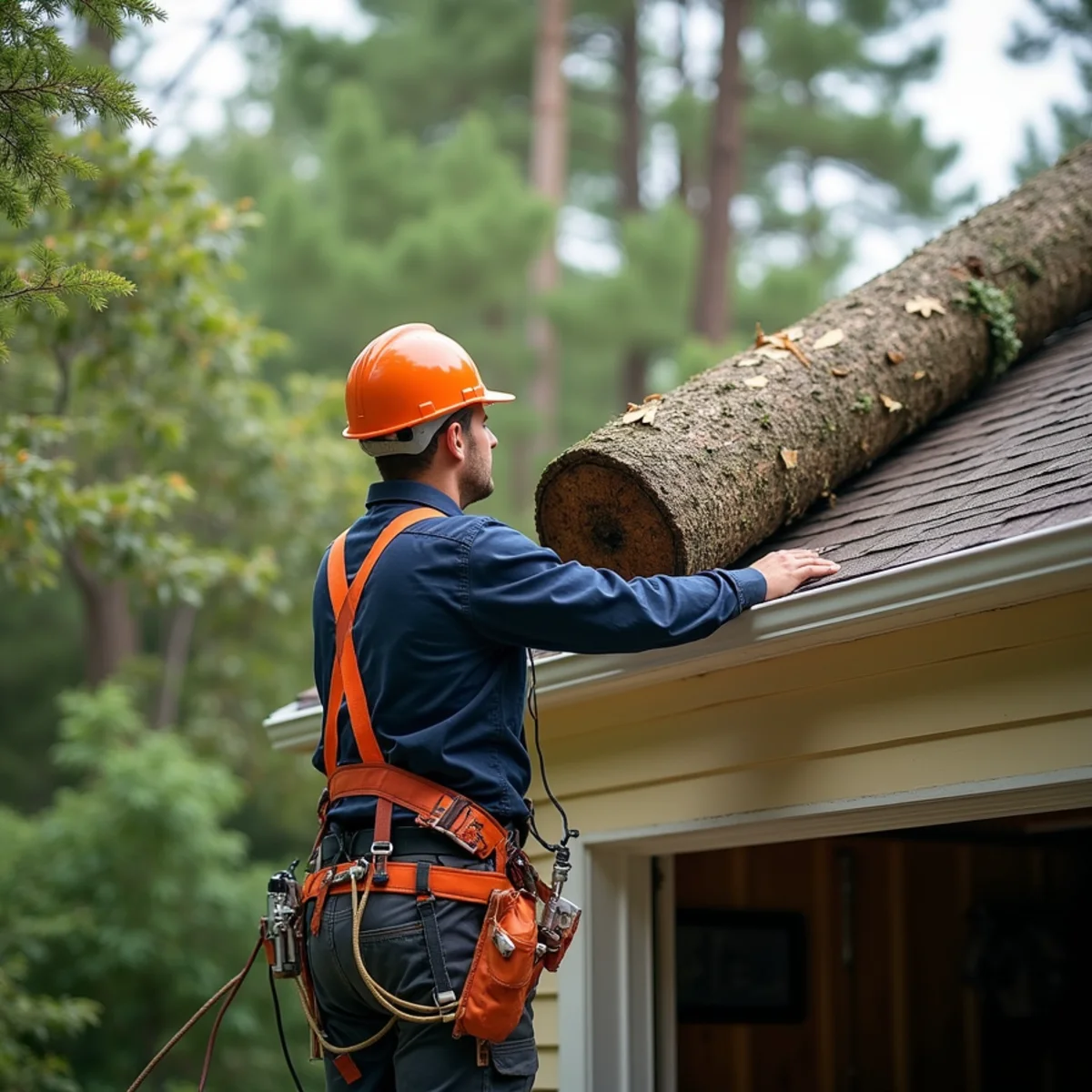
The governing threshold is whether the falling timber struck an 'insured structure.' Under standard policy definitions, covered structures include your primary dwelling (house), attached garage, detached garage, workshop, permanent tool shed, swimming pool, gazebo, or permitted boundary fencing. If a heavy oak or pine strikes one of these structures, your insurer pays for two distinct operations: (1) extracting the tree off the building to prevent further collapse, and (2) hauling away the resulting tree debris up to policy sub-limits.
Trees That Hit Nothing: What Does Insurance Pay for Yard-Only Drops?
If an 80-foot loblolly pine topples during a fierce thunderstorm and lands harmlessly on your open lawn, garden mulch bed, or wooded buffer without striking a building, standard homeowners insurance will pay $0 for tree removal or debris disposal.
Insurance companies classify trees lying on open ground as an uninsurable landscaping loss rather than a covered property casualty. In the eyes of the insurer, no insured property suffered functional damage. In this scenario, the full cost of chainsaw bucking, limb chipping, log hauling, and stump grinding is the sole financial responsibility of the homeowner.
Questions About Your Trees?
Speak directly with our local tree team. No automated robots.
Driveway Blockages, Ingress/Egress, and Handicap Ramp Exceptions
There is an important policy exception written into most modern North Carolina homeowner policies that provides partial coverage even when no building is struck:
• Driveway Ingress and Egress: If a fallen tree completely blocks your primary driveway, preventing motor vehicles from entering or exiting the property onto a public road, insurance policies generally allocate up to $1,000 for clearing enough timber to restore vehicular access. • Handicap Access Ramps: If a tree falls across a dedicated handicap access ramp or pedestrian walkway necessary to enter the home, debris removal is covered under the emergency access endorsement. • Prohibited Scope: This coverage only pays to cut and clear the specific portion of the tree obstructing the driveway or ramp; insurers will not reimburse haul-away for wood lying in the adjacent yard.
When Your Neighbor's Tree Falls on Your Property: North Carolina Common Law
Boundary disputes over fallen trees are among the most common neighbor conflicts in Mooresville, Statesville, and Cornelius. The prevailing legal principle in North Carolina is the common-law 'Act of God' doctrine.
If your neighbor's healthy tree blows over onto your home or yard during a severe windstorm, North Carolina law views the event as an act of nature outside human control. You must file the claim with your own insurance company; your neighbor is not legally liable for your damage, nor are they obligated to pay your deductible. Liability only shifts to the neighbor if you can legally establish negligence—meaning you sent written notification (such as a certified arborist hazard report delivered via certified mail prior to the storm) proving the tree was dead or structurally unstable, and the neighbor refused to abate the hazard.
How to File an Approved Tree Insurance Claim: The 6-Step Protocol
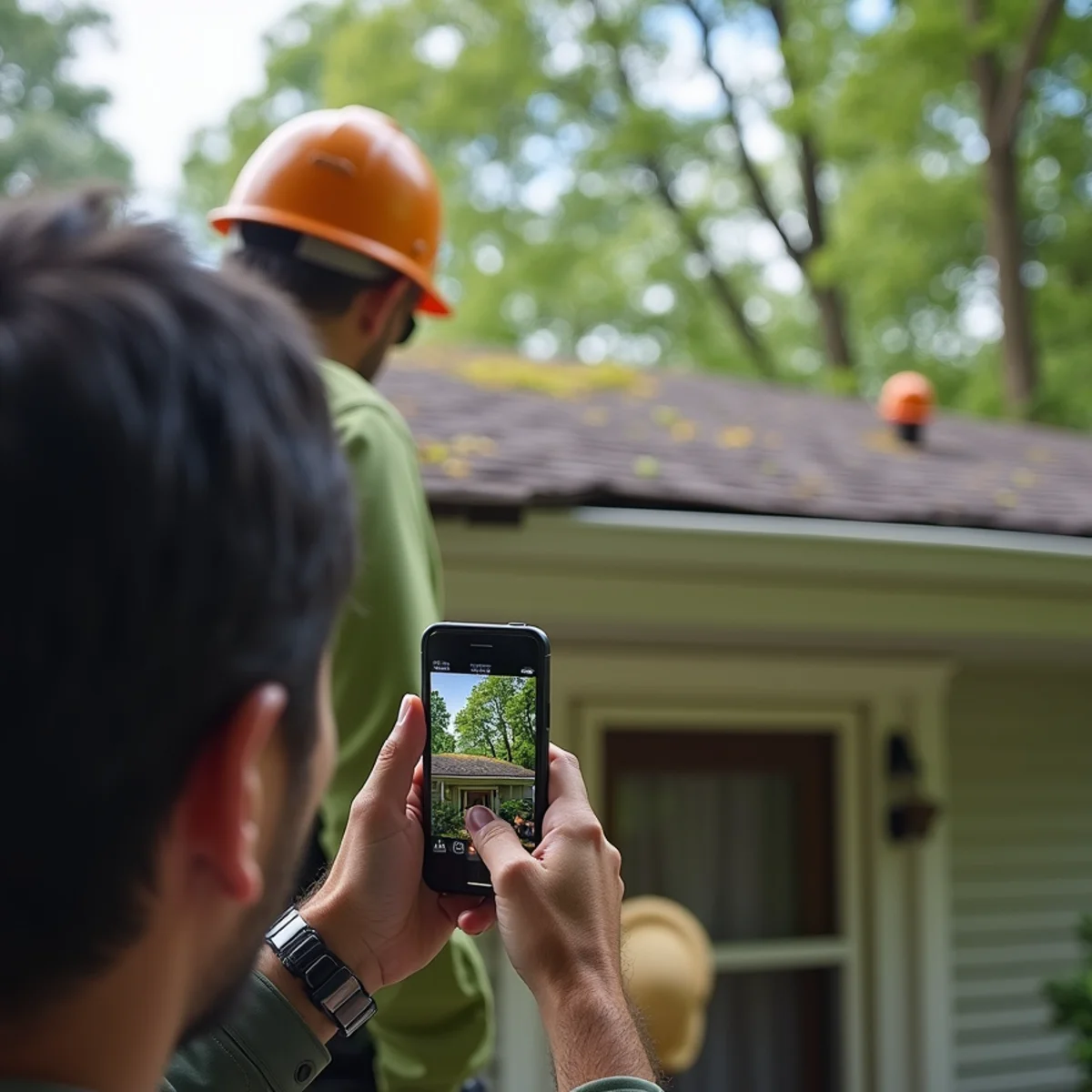
To ensure your tree extraction and structural tarping expenses are fully reimbursed by your insurance adjuster without delay or dispute, follow this arborist-approved claims protocol: 1. Ensure Life Safety First: Evacuate rooms beneath impacted rooflines and treat all downed wires as energized high voltage. 2. Document the Unaltered Scene: Take at least 20 to 30 high-resolution photos and videos showing the fallen tree, point of impact, fractured rafters, crushed gutters, and interior ceiling damage before any cutting begins. 3. Prevent Secondary Water Damage: Homeowners have a legal duty under NC policy contracts to mitigate further damage. Authorize professional emergency roof tarping immediately. 4. Request an Itemized Arbo-Invoice: Insurers require tree services to separate charges into Xactimate-compatible categories: 'Structural Extraction/Crane Lift' vs. 'General Debris Chipping/Haul-away.' 5. Save All Timber Receipts: Retain copies of dump site scale tickets and crane rental logs provided by your tree service. 6. Work With an Insured Tree Contractor: Contact Race City Tree Crew at (321) 478-0689. We interface directly with local insurance adjusters across Iredell and Mecklenburg counties to expedite claim processing.
Frequently Asked Questions
Does insurance pay to remove the stump of a fallen tree?
Standard homeowners insurance policies (HO-3) pay to remove the fallen trunk from damaged structures and haul debris away, but almost never cover subterranean stump grinding. Grinding the remaining root stump is considered elective landscaping unless a specific property enhancement rider is included in your policy.
What is the typical debris removal limit on a North Carolina homeowners policy?
Most standard policies carry an aggregate debris removal sub-limit of $1,000 per storm occurrence, with a maximum cap of $500 per individual tree. If removing a massive fallen oak costs $2,400, your insurer may only reimburse up to the $500 or $1,000 sub-limit, minus your deductible, unless structural house repairs are also claimed.
If my neighbor's dead tree fell on my garage, who pays the deductible?
You must pay your own policy deductible initially when filing through your carrier. If your insurer determines your neighbor was legally negligent (e.g., they received documented prior notice of the tree's hazardous state and failed to act), your insurance company may attempt subrogation to recover your deductible from the neighbor's insurer.
Does homeowners insurance cover trees that fall into a backyard swimming pool?
Yes. In-ground swimming pools, pool decking, and permanent equipment pads are classified as 'Other Structures' (Coverage B) on standard HO-3 policies. Tree removal required to extract timber from the pool and repair damaged gunite, tile, or liner is typically covered, subject to policy limits.
Can an insurance company deny a tree claim due to lack of property maintenance?
Yes. Adjusters routinely examine the root collar and trunk fracture points. If an adjuster discovers the fallen tree had extensive heartwood rot, termite hollows, or fungal conks that were visibly obvious for years before the storm, the carrier may cite policy neglect clauses and deny the structural extraction payout.
Related Tree Services & Local Coverage:
Need Tree Service in Mooresville or Lake Norman?
Our local crews are ready 24/7. Get a transparent written price before any work begins.
Click to call instantly • 24 hours a day
Not Urgent? Send a Request
For the fastest help, call (321) 478-0689. Otherwise, send details below and we will contact you.